

Hair Conditions
With five locations in London and Hertfordshire, our clinics specialise in the most effective solutions for Hair Loss and Scalp Disorders. Our treatments are specifically tailored to each individual's Hair & Scalp needs.
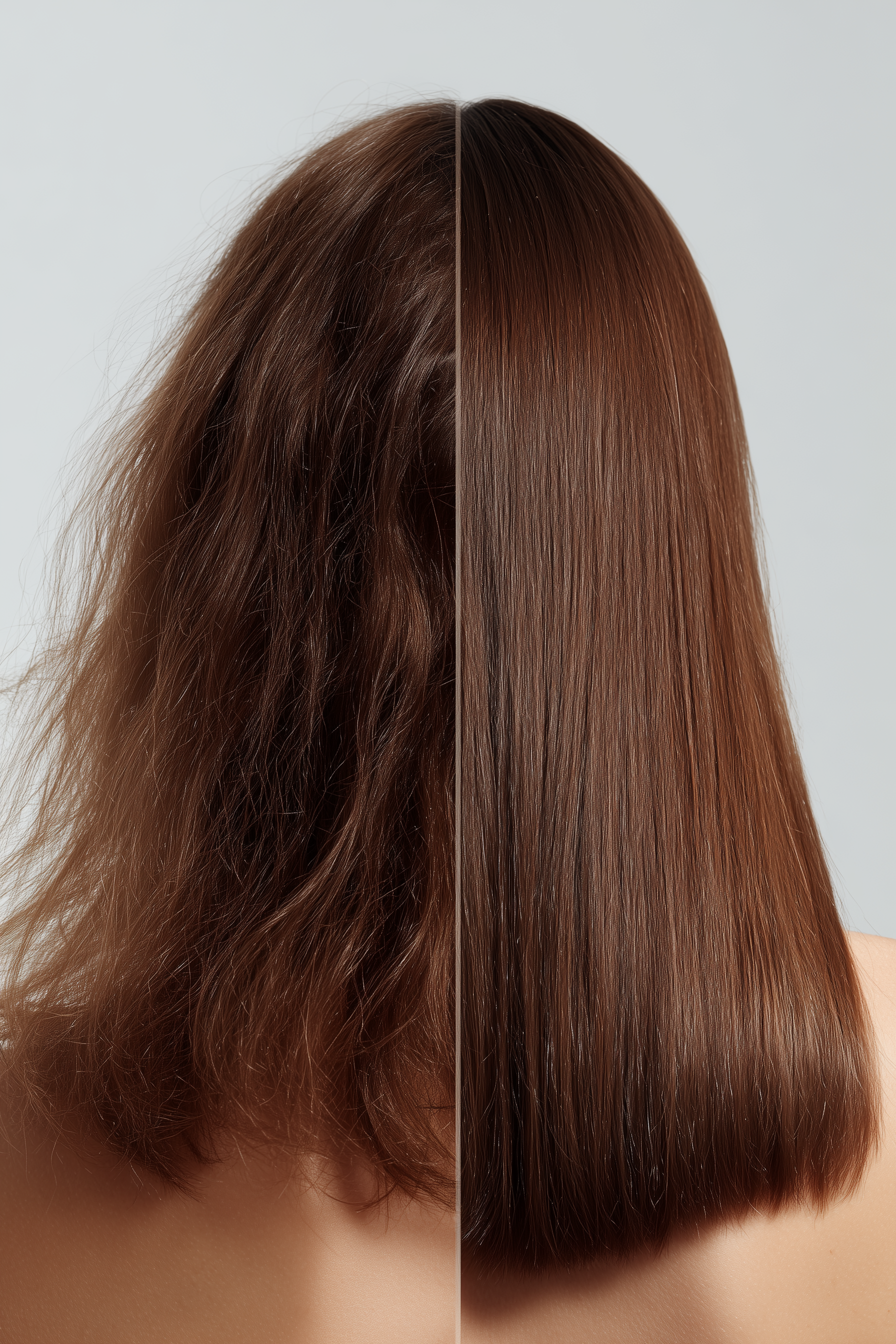
What We Treat
We treat a range of hair conditions to meet the needs of every client. Have concerns or something you are unsure about? We'd be happy to work with you to create a treatment plan.
-
Scalp Psoriasis is an autoimmune disorder that creates reddish, often scaly patches. Psoriasis can present in single or several patches and can affect your whole scalp.
At our clinic we can help to control Psoriasis with Trichological preperations designed bespokely for each customer.
-
Following research on the impact of Covid-19 regarding hair loss, it is evident that Covid-19 patients experience Telogen Effluvium and Pattern Hair Loss.
Oxidative stress, psychological stress and systemic inflammation can be potential sources.
If you are suffering from any of the above due to the Covid-19 aftermath, please contact our clinic for consultation and treatment
Covid-19 can potentially cause a type of hair loss known as Telogen Effluvium. This condition occurs when there is a disturbance in the normal hair growth cycle, leading to increased shedding of hair. Many factors, including physical and emotional stress, illness, and changes in diet, can trigger telogen effluvium. If you are experiencing hair loss after having Covid-19, it is important to consult with a Trichologist for proper evaluation and management.
-
Male pattern alopecia, commonly known as male pattern baldness, is a common condition characterised by progressive hair loss in a distinct pattern on the scalp. It is primarily hereditary and influenced by factors such as genetics, hormones, and age. The condition often begins with thinning at the temples and crown, gradually leading to a receding hairline and reduced hair density across the top of the head.
Treatment options for male pattern alopecia may include clinically approved medications, topical treatments, light therapy, high-frequency therapy, lifestyle changes and other non-invasive approaches designed to support hair growth and scalp health.
-
Female pattern hair loss, also known as female pattern baldness, is a common type of hair loss that occurs in women. It is usually characterised by thinning of the hair, particularly on the top and crown of the head. Female pattern hair loss is often hereditary and can be influenced by factors such as age, hormonal changes, and certain medical conditions.
Schedule an appointment with our Trichologist, Danai Riala, to undergo a thorough diagnosis and receive tailored treatments to address your hair loss concerns.
-
Understanding Menopause and Its Impact on Hair Growth
Menopause is a natural biological process that marks the end of a woman’s reproductive years, typically occurring between the ages of 45 and 55. One of the many changes women experience during menopause is the impact on hair growth. Hormonal fluctuations, particularly the decrease in estrogen and progesterone levels, can lead to a range of hair-related issues, including:
- Thinning Hair: Many women notice that their hair becomes finer and less dense during menopause. This can be attributed to hormonal changes that affect the hair growth cycle.
-Hair loss: Some women may experience increased shedding or hair loss, changes in hair texture. In addition to thinning, menopause can also affect the texture and overall health of hair, leading to dryness or brittleness.
Our Trichologist, Danai, is also a Menopause expert. Following the consultation, she will diagnose and treat the causes of menopausal hair loss using a holistic approach, treating the individual within and topically.
-
Traction alopecia is a type of hair loss that occurs when hair is pulled tightly for a prolonged period of time, causing damage to the hair follicles. This can happen due to certain hairstyles such as tight braids, ponytails, or cornrows, as well as the use of hair extensions or weaves that are attached with tension.
Over time, the repeated pulling can weaken the hair follicles, leading to hair breakage and thinning, and in severe cases, permanent hair loss. Traction alopecia is often seen in individuals who regularly wear tight hairstyles or use damaging hair styling techniques.
Seeking advise by a qualified Trichologist is the best approach
-
Telogen effluvium is a type of temporary hair loss that occurs when a large number of hair follicles enter the resting (telogen) phase of the hair growth cycle at the same time, resulting in increased shedding and thinning of hair. This condition can be caused by certain factors such as severe stress, illness, hormonal changes, nutritional deficiencies, or side effects of medication.
-
Alopecia areata is a common, chronic autoimmune condition causing sudden, non-scarring hair loss in round patches, often on the scalp or beard. It occurs when the immune system mistakenly attacks hair follicles, prompting them to prematurely stop growing. While it can cause complete hair loss (totalis/universalis), it is usually treatable.
-
Seborrhoeic eczema (or dermatitis) is a common, chronic, and relapsing inflammatory skin condition that causes itchy, red rash, and greasy, yellowish, or white scales. It primarily affects oily, sebum-rich areas like the scalp, face (nasolabial folds, eyebrows, ears), and chest. While often presenting as dandruff, it can cause more severe, widespread, or weeping lesions, frequently triggered by stress, cold weather, or immune system issues.
-
Diffuse hair loss, or diffuse thinning, is a condition characterized by widespread, even shedding of hair across the entire scalp rather than in specific patches or a receding hairline. It often results in a significant reduction in overall hair density and volume, frequently associated with Telogen Effluvium, where follicles prematurely enter a resting phase due to stress, hormonal changes, or nutritional deficiencies.
-
Hair shaft abnormalities are structural, congenital, or acquired defects of the hair fiber, often resulting in increased brittleness, texture changes, or hair breakage. Common types include fractures (e.g., Trichorrhexis nodosa), twists (e.g., Pili torti), and irregularities (e.g., Monilethrix), which can be caused by genetic conditions or environmental trauma, such as excessive heat, chemical treatments, or, in some cases, serious underlying medical conditions.